When I was a sports anchor in local news in the 2010s, digital was already changing the job. The conversation in every editorial meeting was the same. Very few were tuning into the evening newscast to hear a score, see a forecast, or catch a highlight for the first time anymore. By the time we hit the air, our audience already knew what happened.
So storytelling became how you won. Everything had to go a layer deeper. We could not just report the news. We had to tell people why it mattered to their community. We could not just show the highlight. We had to tell the story of the athlete behind it, building a real connection between them and their fans. If you wanted viewers to choose you over the other stations in town, you had to tell the stories your competition was missing.
That was the fight in the 2010s. The fight today is different.
Now it’s not just about the story you are telling. It’s about where you are telling it.
It’s no longer a given that the audience is tuning in at all, let alone choosing between the stations in town. Today’s audiences pick their platform first, not their station. It’s on local stations to meet them where they are. Evan Schreiber, Anchor at KSNV-TV, put it perfectly:
Digital is no longer the side hustle.
The Accidental Advantage Sports Teams Had
Local news is in a similar battle as every sports league trying to grow its audience. You do not win by protecting the status quo. You win by making content built for today’s viewer and putting it on the platforms where they actually spend their time. This means YouTube, TikTok, X, Twitch, FAST channels, and your own streaming apps.
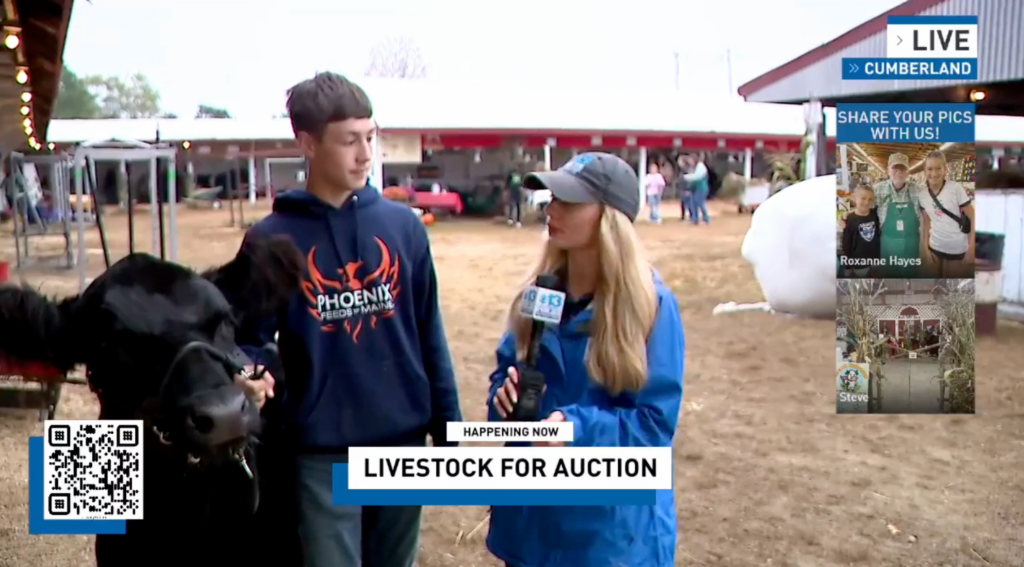
Today, almost every station has its own dedicated streaming app on Roku, Fire TV, and Apple TV. They stream their 4, 5, and 6 PM newscasts there simultaneously with the over-the-air broadcast. Long gone are the days when reporters and producers got the evening off because a major sports tournament preempted the news. When sports interrupts the linear broadcast now, the news simply moves directly to the streaming app.
But duplicating your existing linear newscast onto an app is only the baseline. To really grow, stations need to focus on the other content. They need shoulder programming. They need digital-only shows and unique content built completely separate from the main newscasts.
We’re already seeing stations commit to this on their organizational charts. Newsrooms are actively hiring for positions like Executive Producer of Streaming or hiring dedicated teams tasked specifically with feeding these digital channels. The talent is there.
Yet, as newsrooms try to scale up this digital video output, they run into a major roadblock. Ironically, that roadblock is their own traditional infrastructure.
News stations have been held up by their existing, heavy-duty control rooms. These multi-million dollar spaces were built for traditional broadcasts, but their complexity actually stands in the way of nimble, lightweight production. Newsrooms have to actively unlearn their traditional, heavy workflow to find a new way of operating.
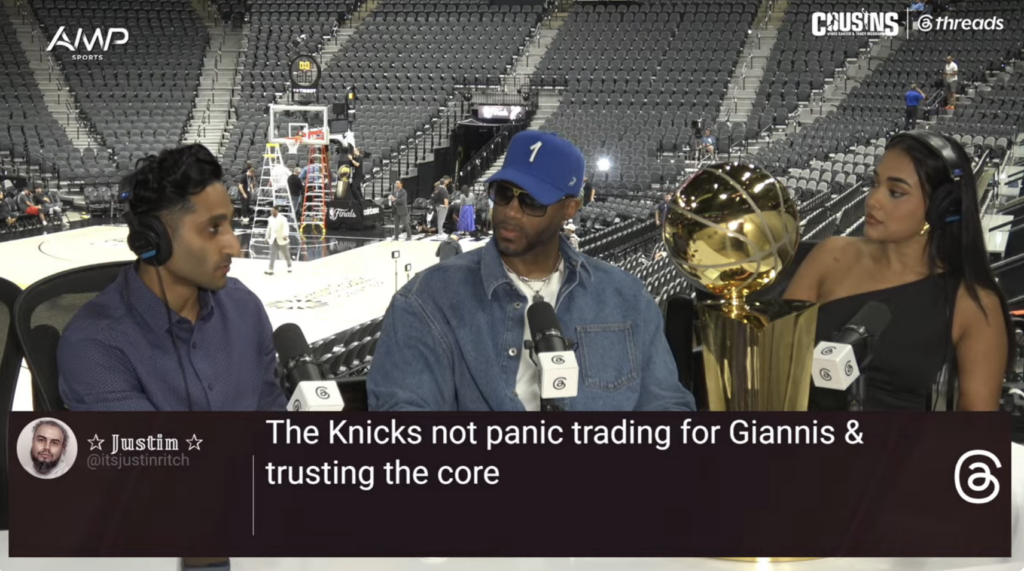
The sports world, however, had an accidental advantage. Most sports teams, leagues, and digital creators didn’t have massive, legacy control rooms sitting in their offices. When they decided to start producing daily digital shows, they started with a blank canvas. They were forced by nature to set up a nimble, lightweight production model built specifically for the digital world. They didn’t have to dismantle old habits. They just built what worked for today.
The Formula is Already Tested
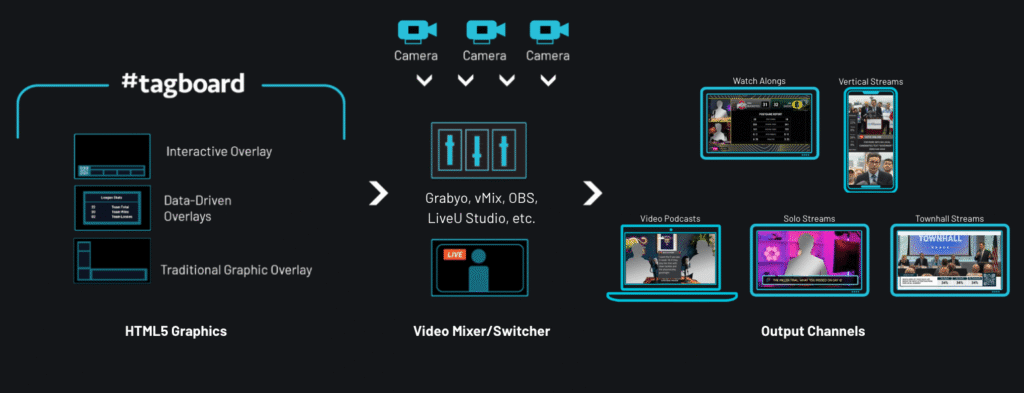
This is good news for local news leaders. You do not have to invent the playbook from scratch. Digital-first focused sports teams have been running this exact model for years.
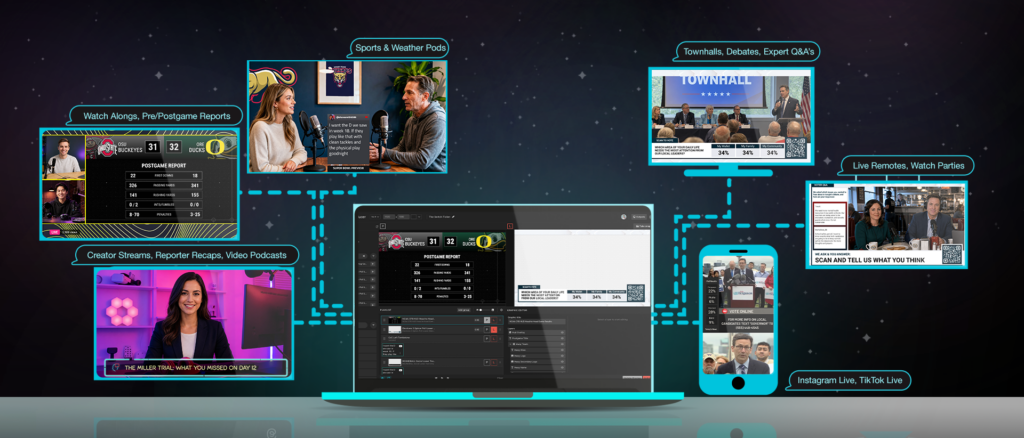
What they landed on is a simple, incredibly efficient combination: a cloud or software video mixer and a cloud graphics engine. These are tools built for the creator world, not a traditional production control room.
With this setup, you don’t need a dedicated graphics operator. You don’t need siloed roles. Anyone on the team can trigger graphics or switch cameras. In fact, a full, professional show can be produced by a single operator sitting at a desk or working from a laptop.
Look at a few examples from the sports world:
- Orlando Magic: Were seeking a way to streamline productions and found Tagboard. Cut production costs in the process by 75%.
- Washington Commanders: Run all their digital productions with the Tagboard + vMix combo. They deliver a broadcast-quality look without what many would consider a traditional broadcast production control room.
- NFL Media: Similar to Commanders, they run all their production with the Tagboard + vMix combo. The setup allowed them to scale their content output 3X, going from eight hours of content a week to 24 hours.
These teams have the exact same mandate you have. They must produce more content for more platforms with the same headcount. The lean sports production formula works.
You Probably Already Own The Production Stack
If your station uses Tagboard, you likely know it as the social-to-screen tool. It is how your producers get breaking news posts, polls, and user-generated content into the newscast. That workflow is incredibly valuable and is not going anywhere.

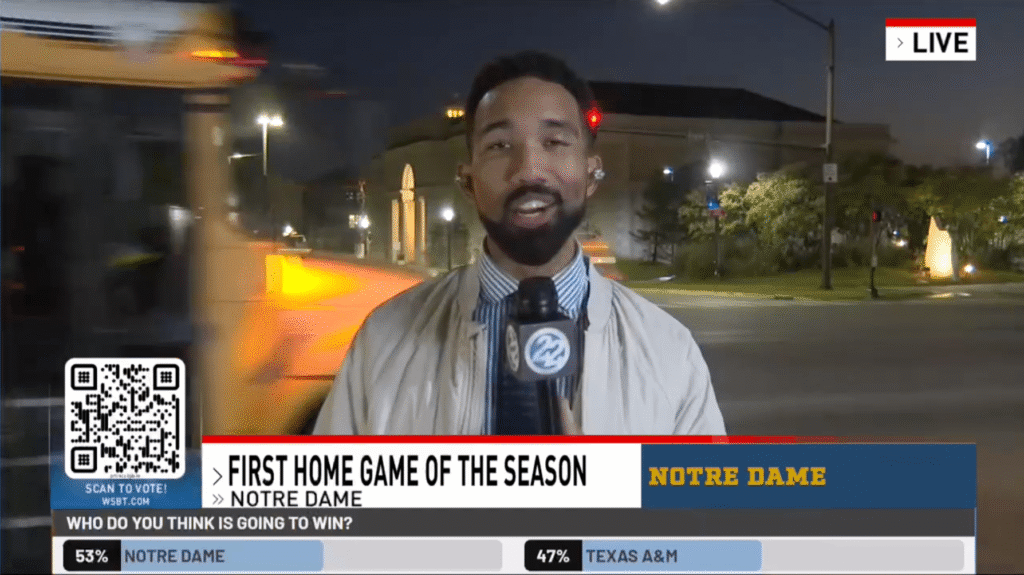
But that same Tagboard license is also a full cloud graphics engine. The tool your team already trusts for social content can power every single graphic on your digital shows. It can handle lower thirds, full screens, tickers, live data, and interactive elements. There is no new contract, no new hardware, and no six-month training program required. If a producer can send a social post to the screen, they can build and run a whole digital show’s graphics package.
If you pair Tagboard with a cloud or software mixer, you have everything you need. In my conversations with newsrooms, I have noticed a common theme. Many stations actually already have these switchers sitting in their buildings, completely under-used. Tools like vMix, OBS, or a cloud switcher are often already on site. The lean stack that the digital sports world proved out is already sitting in your building.
Start with One Show
Nobody is asking you to blow up your main control room. The traditional newscast still matters. The people producing those shows every day are doing some of the hardest work in the industry.
But a large part of your audience has already made their choice about where they spend their time. The stations that win the next decade will be the ones that meet them there.
Do what the sports world did. Build a digital workflow that is leaner, faster, and run by the team you already have.
Pick just one show to start. Launch a digital-only sports desk, a streaming election special, or a morning show cut-in built specifically for YouTube. Run it on the software stack you already own, using the formula that sports teams have already proven to be successful.