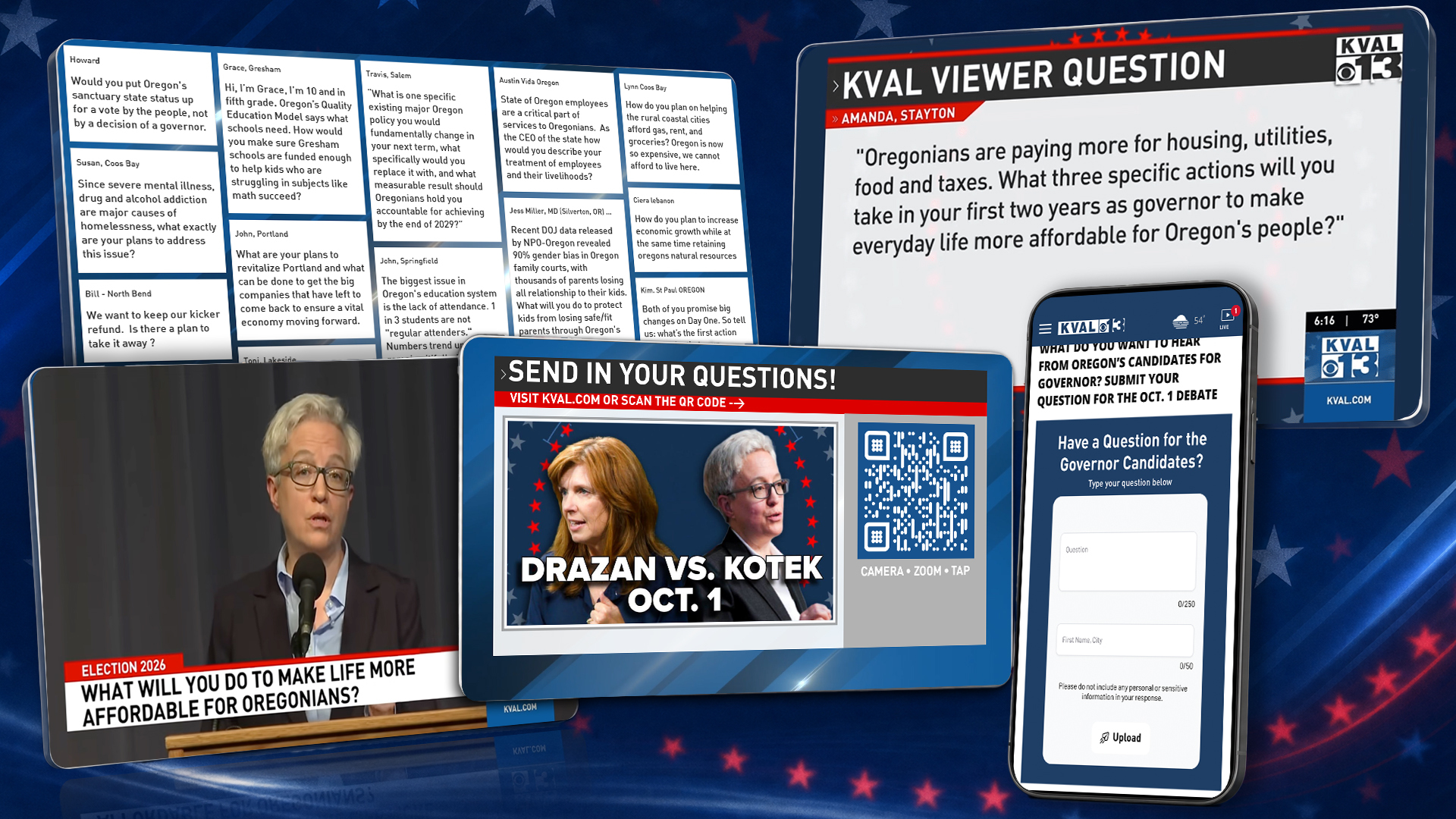
The best debate questions don’t always come from the newsroom. Sometimes they come from the viewers at home.
Election season is in full swing, and local stations across the country are hosting town halls and debates so voters can get a closer look at who’s on the ballot before they head to the polls. It’s some of the most important work a local newsroom does, and every debate is a chance to make viewers part of the process.
KVAL-TV found a great way to do exactly that.
When the Sinclair Broadcast Group affiliate in Eugene, Oregon, produced a governor debate for broadcast and digital, it started by inviting its viewers to take part, with a call to action to send in their questions for the candidates.
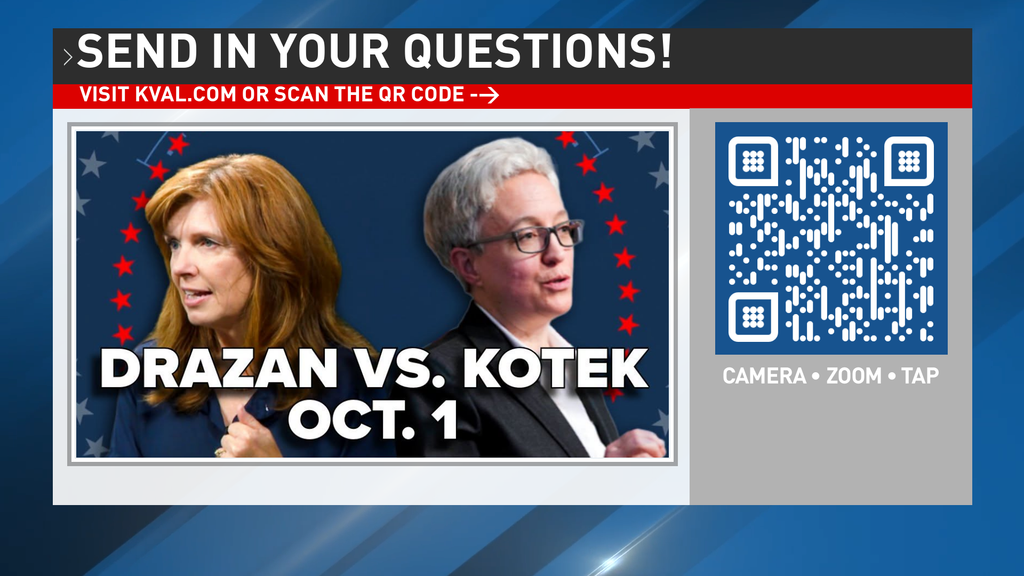
The station promoted a QR code on air, and viewers could scan it and submit their questions directly to the station. Sending questions straight to the station removed two common barriers to audience participation. Viewers didn’t need a social media account, and they didn’t have to worry about posting a political question on their public feeds.
Hundreds of questions came in.
“The race for Governor is a very tight race and Oregonians are very invested this election cycle,” said Brandon Kamerman, KVAL-TV News Director. “We know a debate is for the voters, so we wanted them to have a say in it. Questions came in from all over Oregon and that told us right away that people were eager to be part of this conversation.”
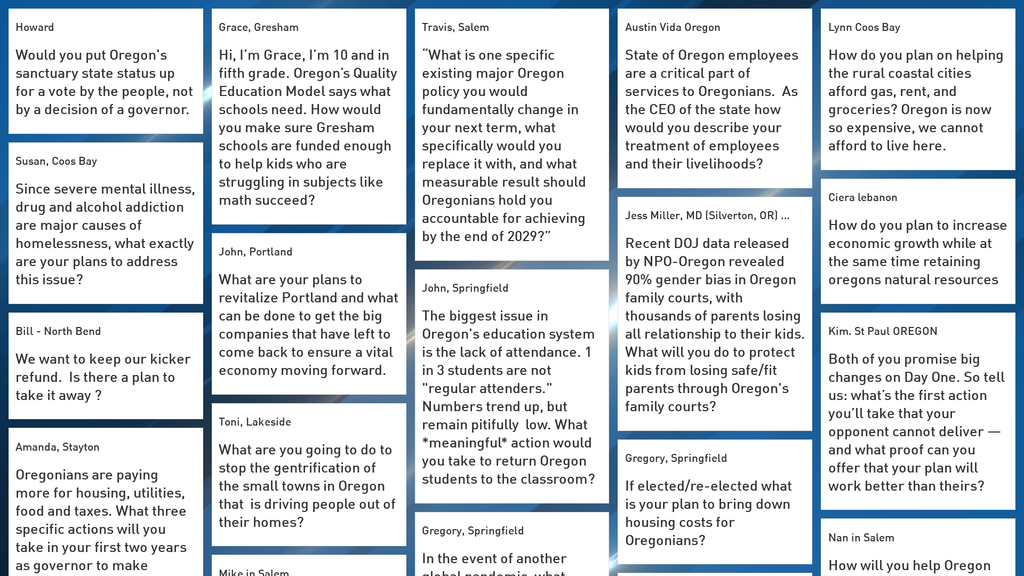
KVAL put those questions to work before the debate even began. To promote the broadcast, the station put all approved submissions on screen in a waterfall-like display, with questions from every corner of the state and from viewers of all ages. It was a live picture of what Oregon voters really cared about, and it made clear that this debate belonged to them.
Then came debate night. The moderator chose one question to put to the candidates. It appeared on screen as it was asked, so everyone at home could see it came from a member of their community.
Real people. Real questions. Real answers.
“Local news is at its best when the community is part of the conversation,” said Scott Livingston, SVP of News at Sinclair Broadcast Group. “When a viewer’s question goes on screen and straight to the candidates, it lands differently. The candidates know they’re answering to the voters they serve.”
The conversation didn’t end with the debate. Afterward, KVAL sent 10 additional viewer questions to both campaigns, giving voters another chance to be heard. The station plans to share those responses with its viewers in the days ahead, a great way to extend the conversation throughout the election cycle.
Meeting voters on all channels
KVAL produced the debate, but its reach went well beyond Eugene. The broadcast aired on Sinclair stations across Oregon, in the Portland, Eugene and Medford markets, so voters across the state could tune in on their local channel.
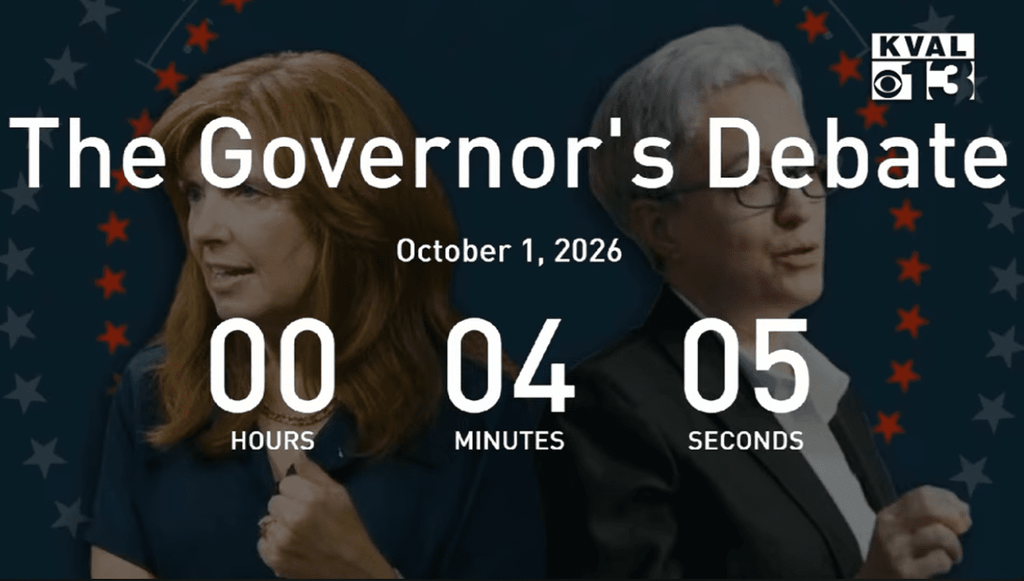
The debate also streamed live on YouTube, where a growing share of the audience watches. A countdown clock on the stream built anticipation as viewers gathered before the debate began. That stream has drawn more than 45,000 views and over 475 comments, and counting.
Bringing the audience into the debate is only half of the story. The other half is putting the debate where the audience is.
Giving voters a voice
During a debate, everyone at home plays armchair expert, talking back to the TV and asking the questions they wish someone on stage would ask. KVAL gave those viewers somewhere to send their questions and a real chance to hear them answered.
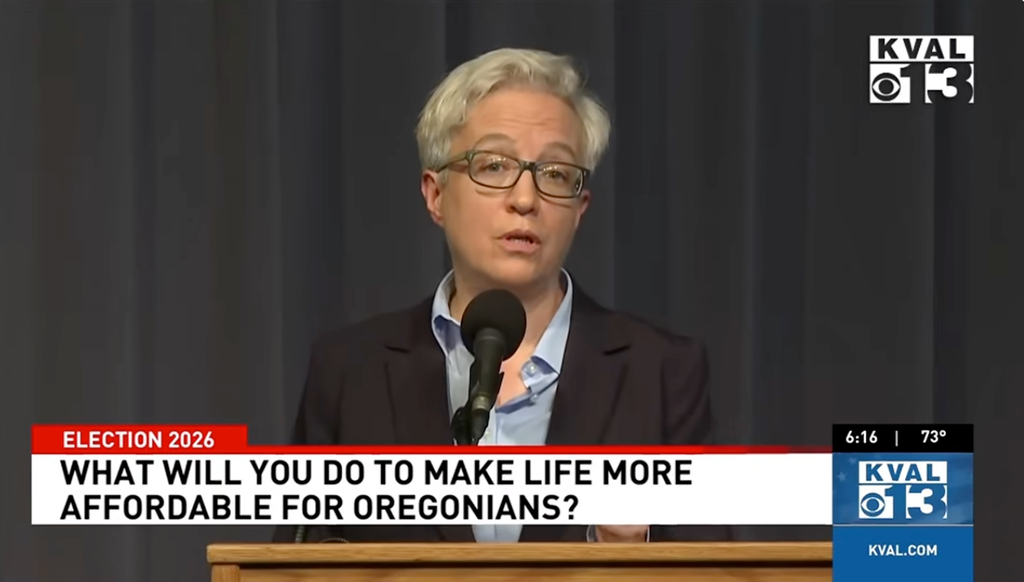
The station kept full control of the broadcast the whole way through. It picked which questions to show and when to show them. The result was a richer broadcast and an audience that was part of the story, whether they were watching on their local station or YouTube.
KVAL took one of the most important nights of the election season and made sure Oregon voters had a voice in it. Hundreds of viewers sent in their questions, one made it on the debate stage, and 10 more went straight to the campaigns.